Before sunrise, Napa Valley feels like it is holding its breath.
The roads are quiet. The vineyards are still half-hidden in blue-gray light. Even the estates seem to be waiting for the day to begin. We were already moving, checking gear and heading toward the first location while the valley slowly came into view.
It was the kind of morning that makes you want to stop. We did not have much time for that.
Four vineyards had to be covered in two days. Each day began at sunrise and continued beyond sunset. We had interviews to record, properties to film, aerials to fly, food to photograph, and a 360 team working through its own process. Every move had to count.
That is the strange beauty of location production. You are surrounded by a place worth noticing, but the light is changing and the next location is already waiting.
The project: four vineyards, two days, one microsite
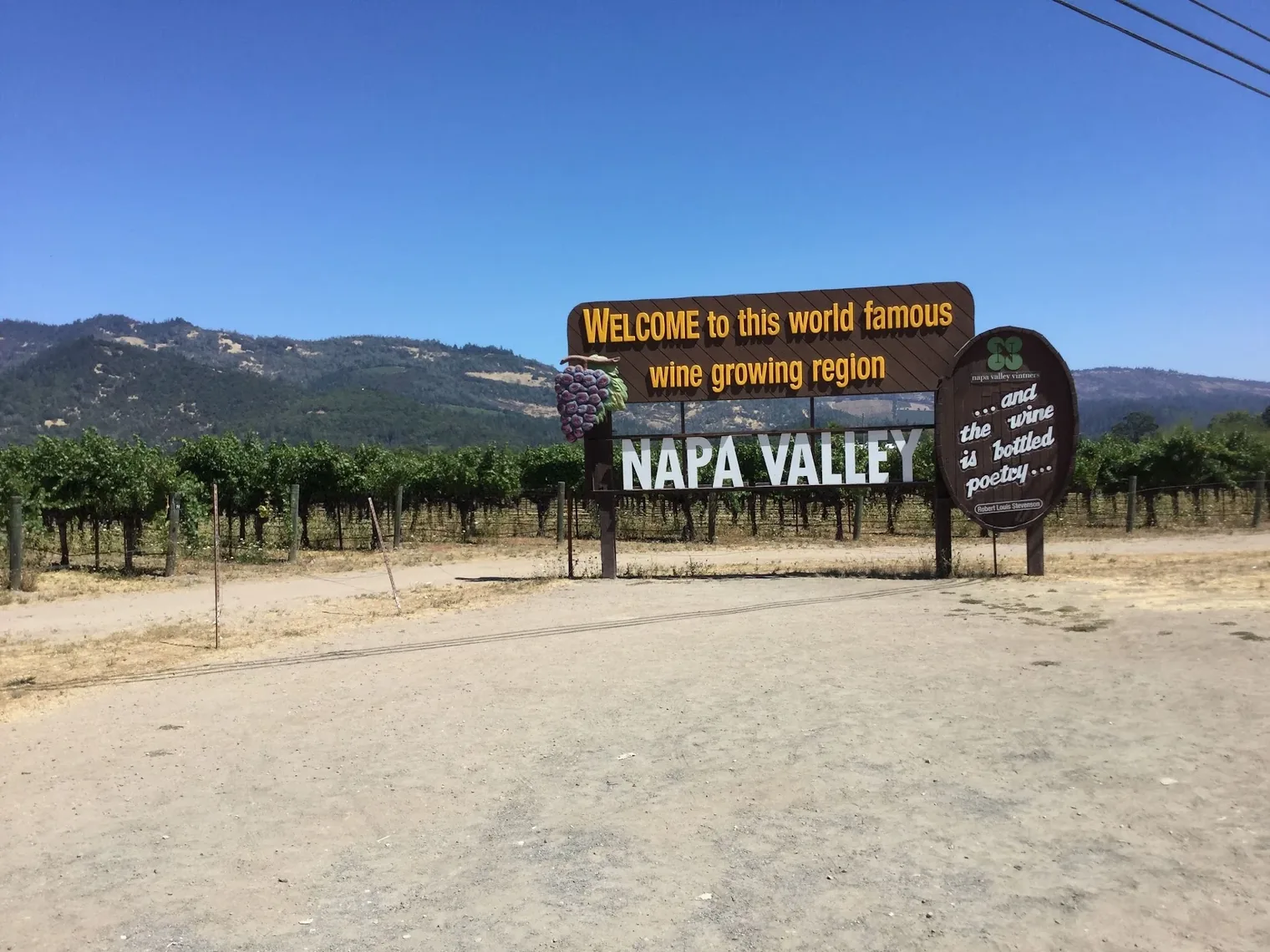
An agency led the FPS Napa Micro Site 360 project for Fleming’s during the 2017 harvest season and brought in Amoroma Productions for the video production: interviews, B-roll, product shots, and food shots. It was Amoroma’s first time in Napa. Between the teams, the assignment was to gather the interviews, photography, video, aerial footage, and immersive 360-degree material needed to build the microsite experience.
Project at a glance
- Video production: Amoroma Productions
- Project: FPS Napa Micro Site 360 for Fleming’s
- Location: Napa Valley, California
- Timing: 2017 harvest season
- Scope: Four vineyards over two shoot days
- Content: Interviews, B-roll, product and food photography, drone footage, and 360-degree material
- Hit Warehouse role: Interview audio, environmental tone, ambient sound, and aerial videography
Several teams had to share locations, light, and time without getting in one another’s way. The photography team stayed close to the video crew, allowing both groups to make use of the same setups. The 360 team needed more distance because their process depended on keeping people and equipment out of the image.
The food team had its own precise rhythm. Vinnie ran that part of the production with an assistant helping on lighting and a three-person food preparation and styling team led by Suzy Eaton. Watching them work was a lesson in quiet efficiency. On a schedule this dense, knowing the next move matters.
The logistics: sunrise to sunset, hotel for mission control
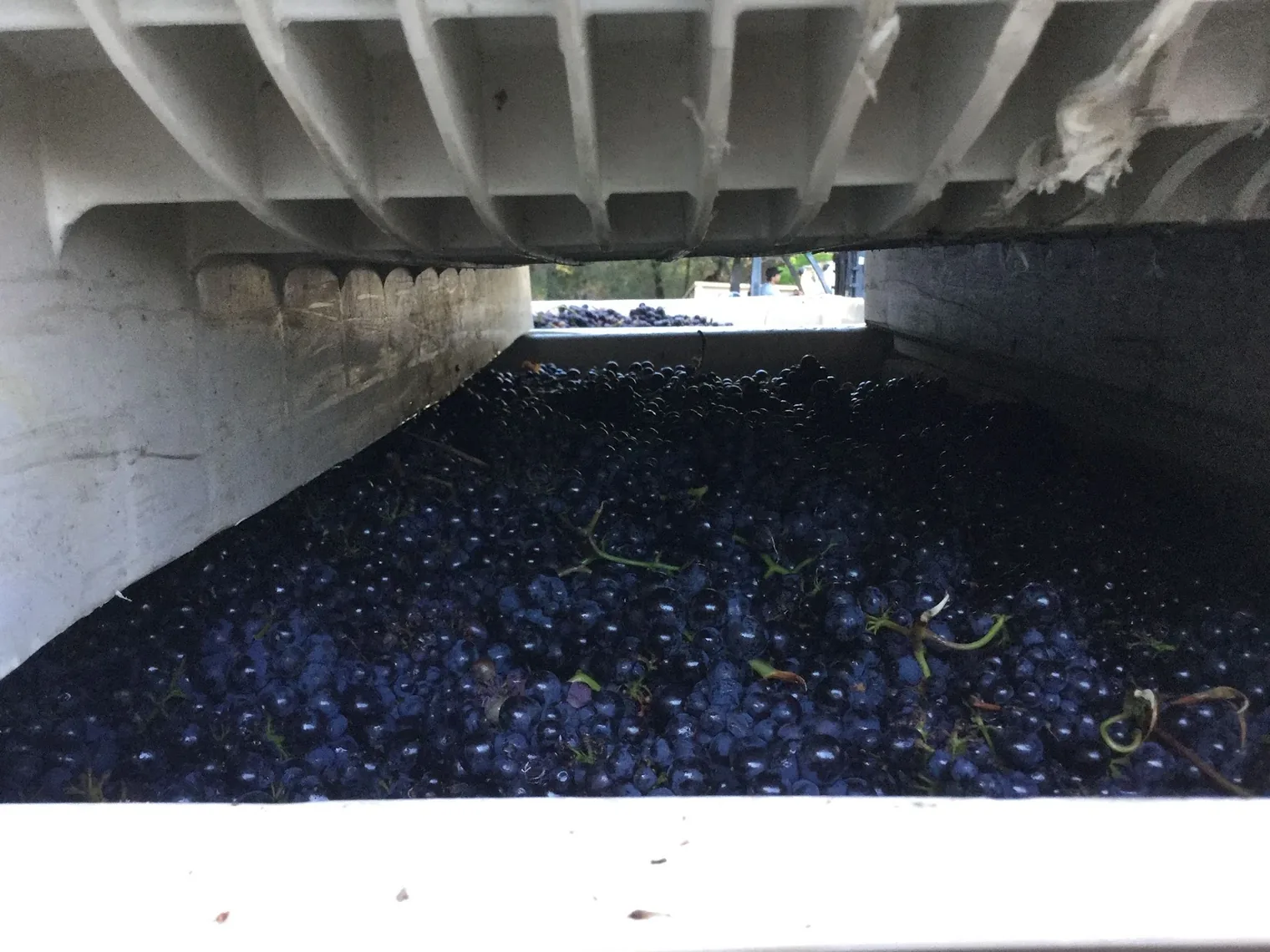
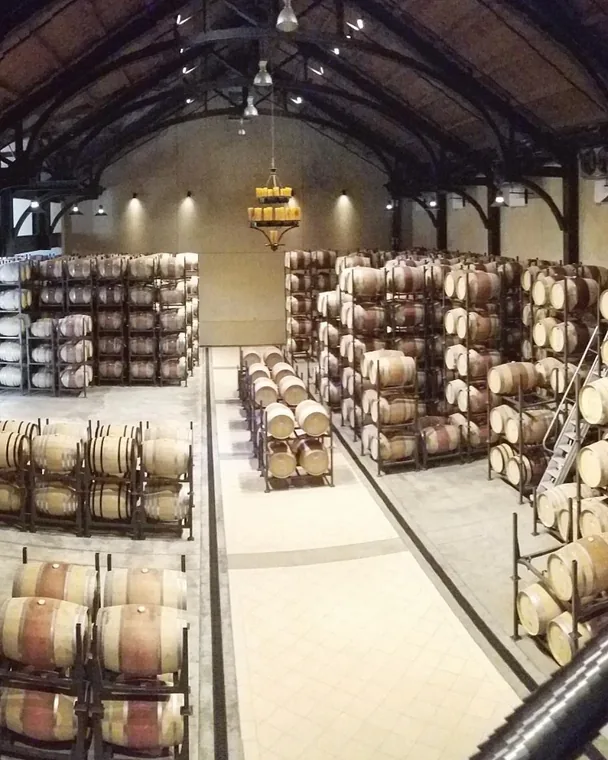
Before filming, we made quick scouts of the vineyards to understand what each property offered. We looked at light, interview backgrounds, access, crew paths, and possible drone hazards. Then we returned to the hotel for a pre-production meeting and walked through the next day’s schedule.
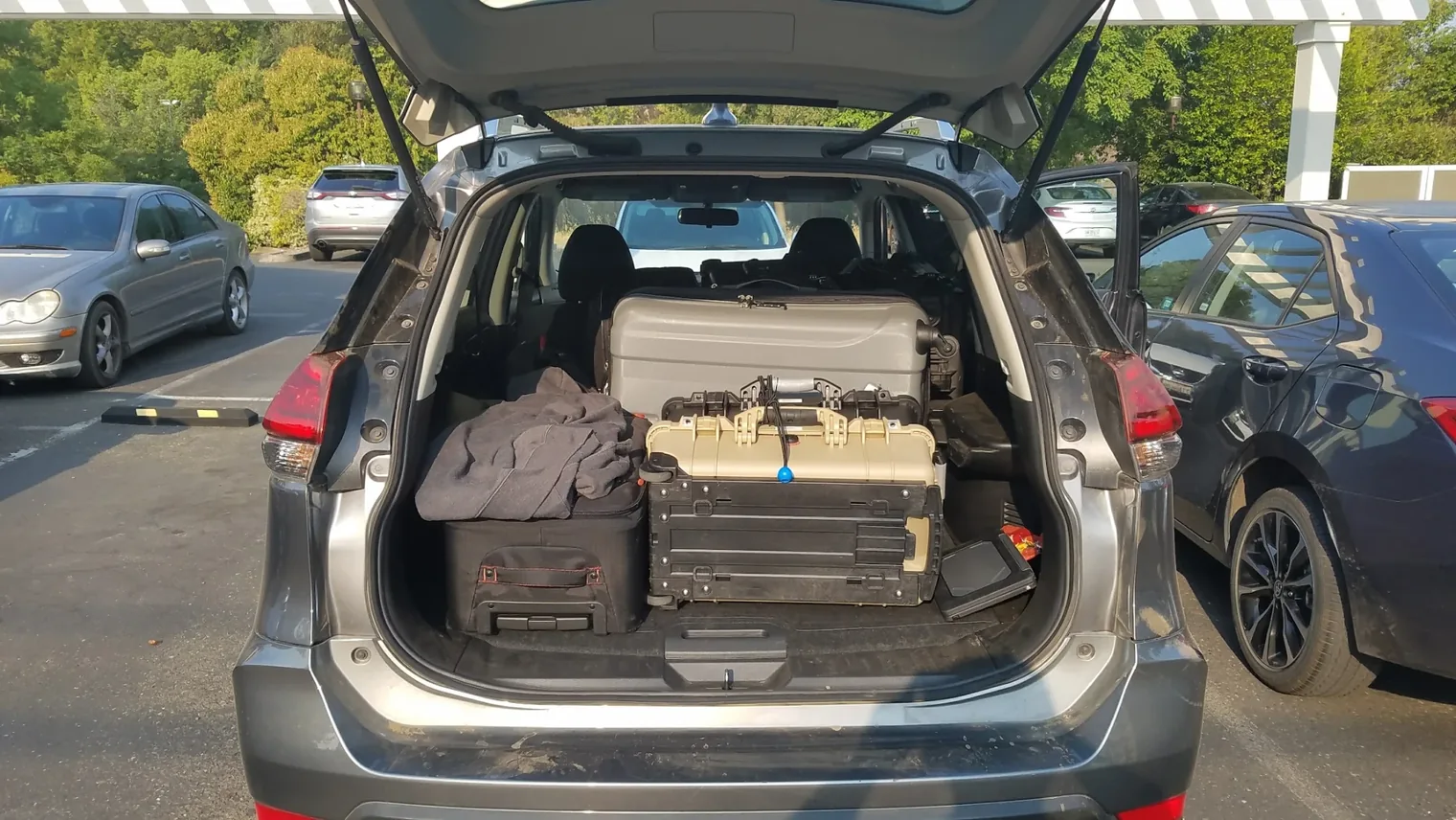
The hotel became mission control. It was where cases accumulated and where the work continued after we left the vineyards.
Each night, after more than 16 hours in the field, we backed up the footage and audio, checked that the day’s material was safe, and charged batteries for the next sunrise call. That ritual was not exciting, but it protected the entire project. The finished image may feel effortless. Behind it is a chain of small decisions that prevent a dead battery or missing file from costing a day.
Our role: interview audio, room tone, and the drone
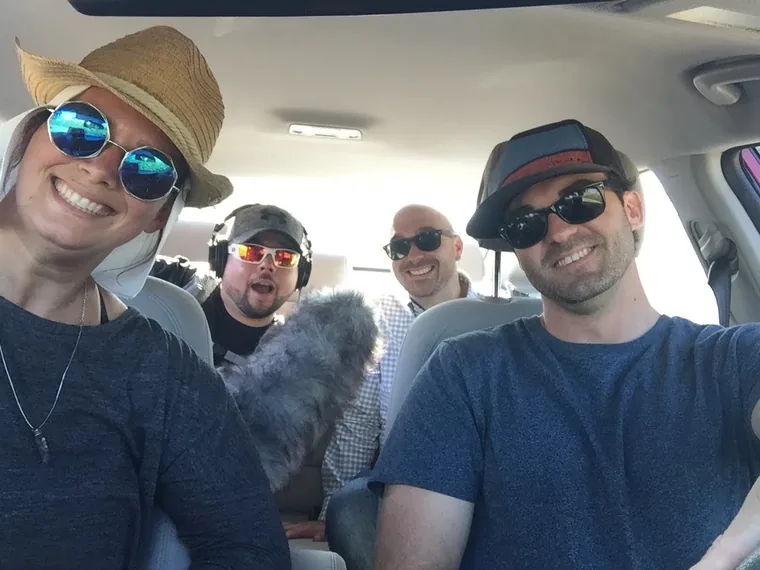
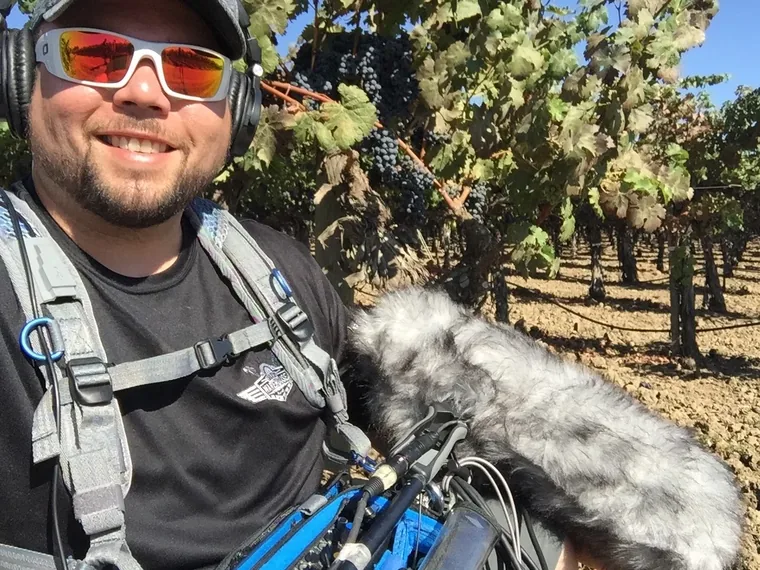
Small crews work because people know how to carry more than one responsibility. Hit Warehouse came to Napa to capture interview audio, environmental tone and ambient sound, and to fly the aerials.
For the interviews, the priority was simple: protect the human voice.
A beautiful frame cannot rescue dialogue that is hard to understand. Tasting rooms have reflective surfaces and their own acoustic character. Outdoors, microphones hear wind, equipment, distant activity, and the subtle movement of a working property. Our job was to notice those sounds before they became permanent parts of the recording.
Room tone is the sound of a space when nobody is speaking. It may seem like silence on set, but every room and outdoor location has a low texture of its own. Editors place that recording between cuts so an interview does not suddenly fall into unnatural digital silence.
The drone gave the story scale. From above, the vine rows became patterns and the size of the estates finally made sense.
It also gave us the closest call of the trip.
At Trinchero, power lines blended into the landscape so completely that the drone passed through them without anyone realizing what had happened. We discovered it during playback. Nothing was damaged and no one was hurt, but the footage showed how close we had come to a different ending.
There is no heroic version of that story. We missed a hazard. We were fortunate. Then we became more deliberate about scouting every flight that followed. Production experience is not pretending close calls never happen. It is studying them and making the next decision better.
The two days, in short
Day one began at Trinchero, a striking estate with an incredible drive up. We started with aerial coverage, then filmed B-roll around the property before setting up an interview with R&D Chef Jessica in the tasting and event room. We wrapped just in time to grab lunch on the way to Franciscan Estates, as it was called then.
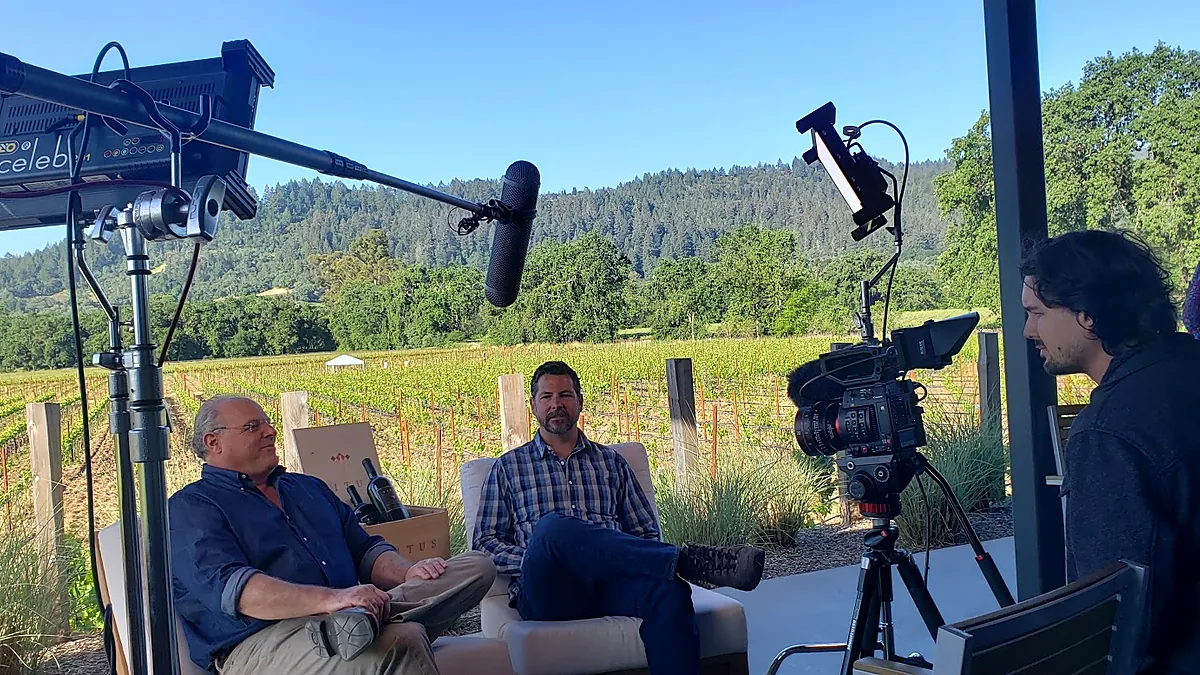
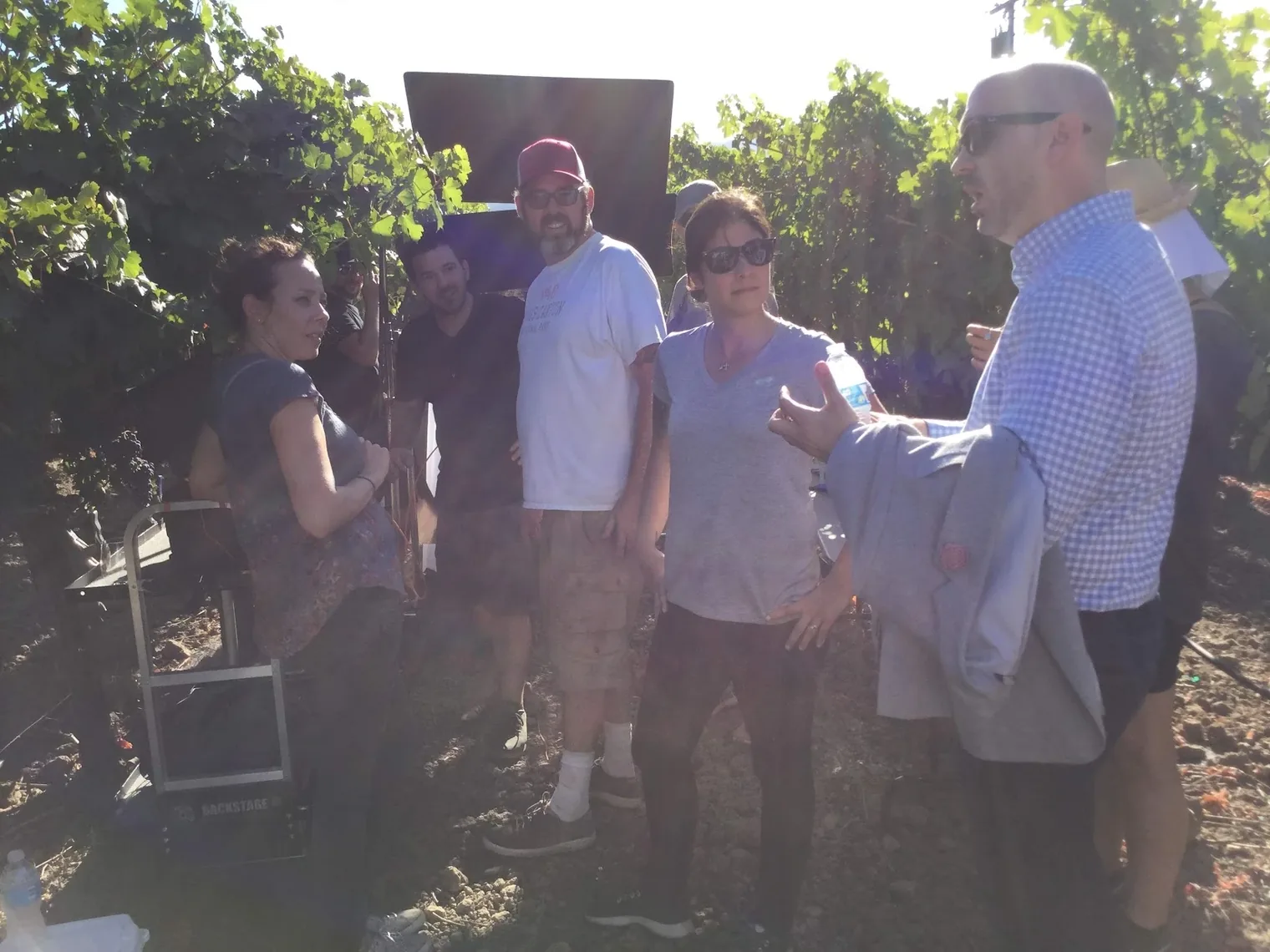
At Franciscan, the story centered on sustainability practices and the renowned Rutherford Bench. After covering the property, the crew prepared for an interview with Fleming’s Wine Director Stephen. Video, photography, sound, lighting, food styling, and 360 capture each had to find a place without turning the vineyard into a maze of people and equipment.
Day two took us to two more vineyard properties and repeated the sunrise-to-after-sunset pace. Their names are not preserved in Amoroma’s published project record, so we are leaving them unnamed rather than filling the gap with a guess. The rhythm remains clear: scout, unload, build, record, move, repeat.
By then, the teams understood one another better. Photography knew when it could work from the video setup. Video understood the space 360 needed. Audio knew where the noise was hiding. The nightly backups, charging routine, and morning checks kept everyone moving.
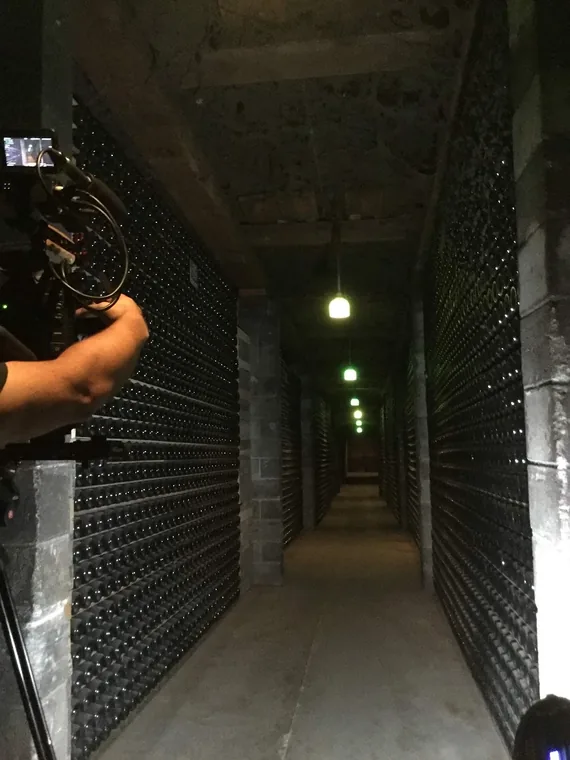
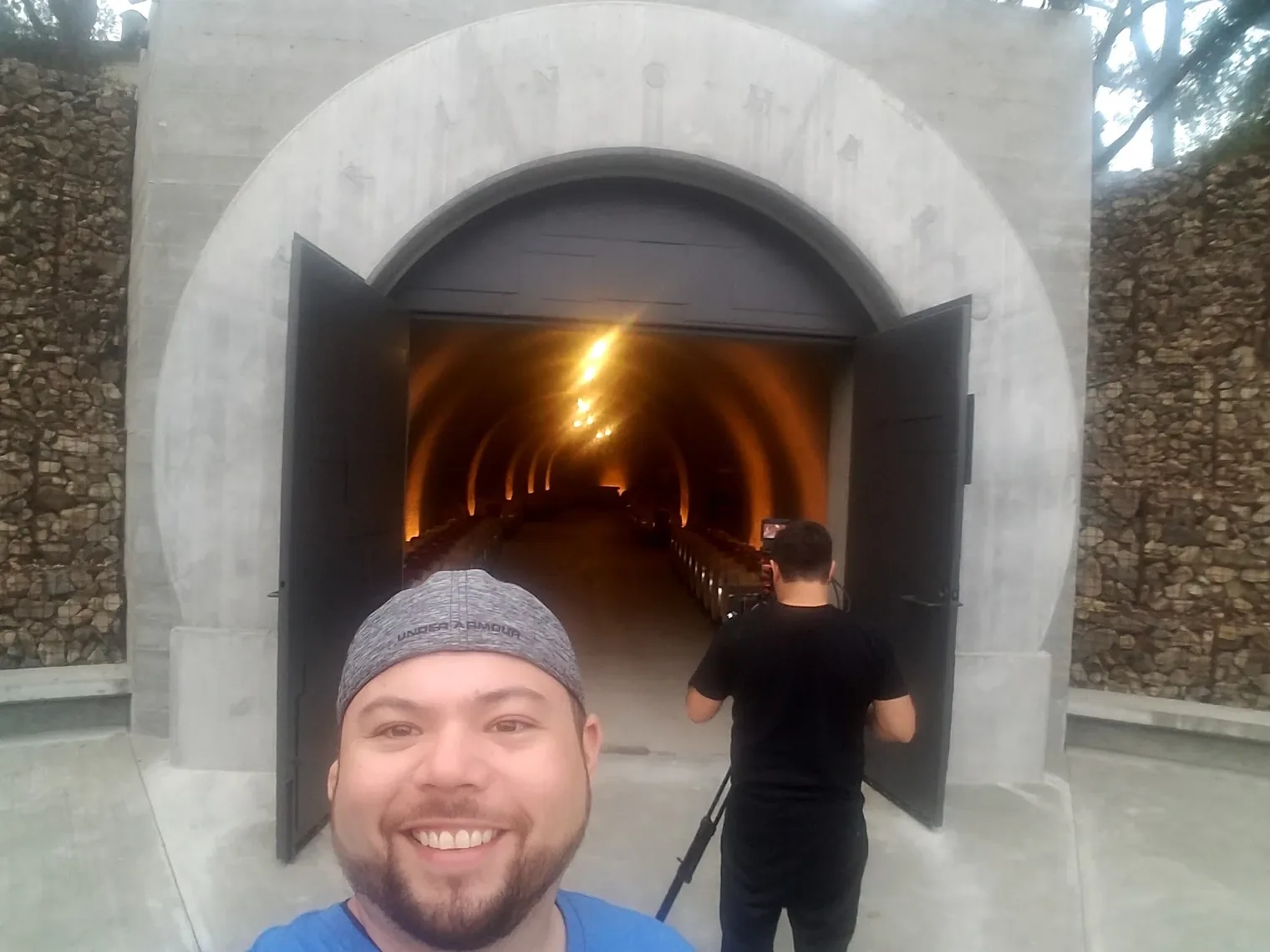
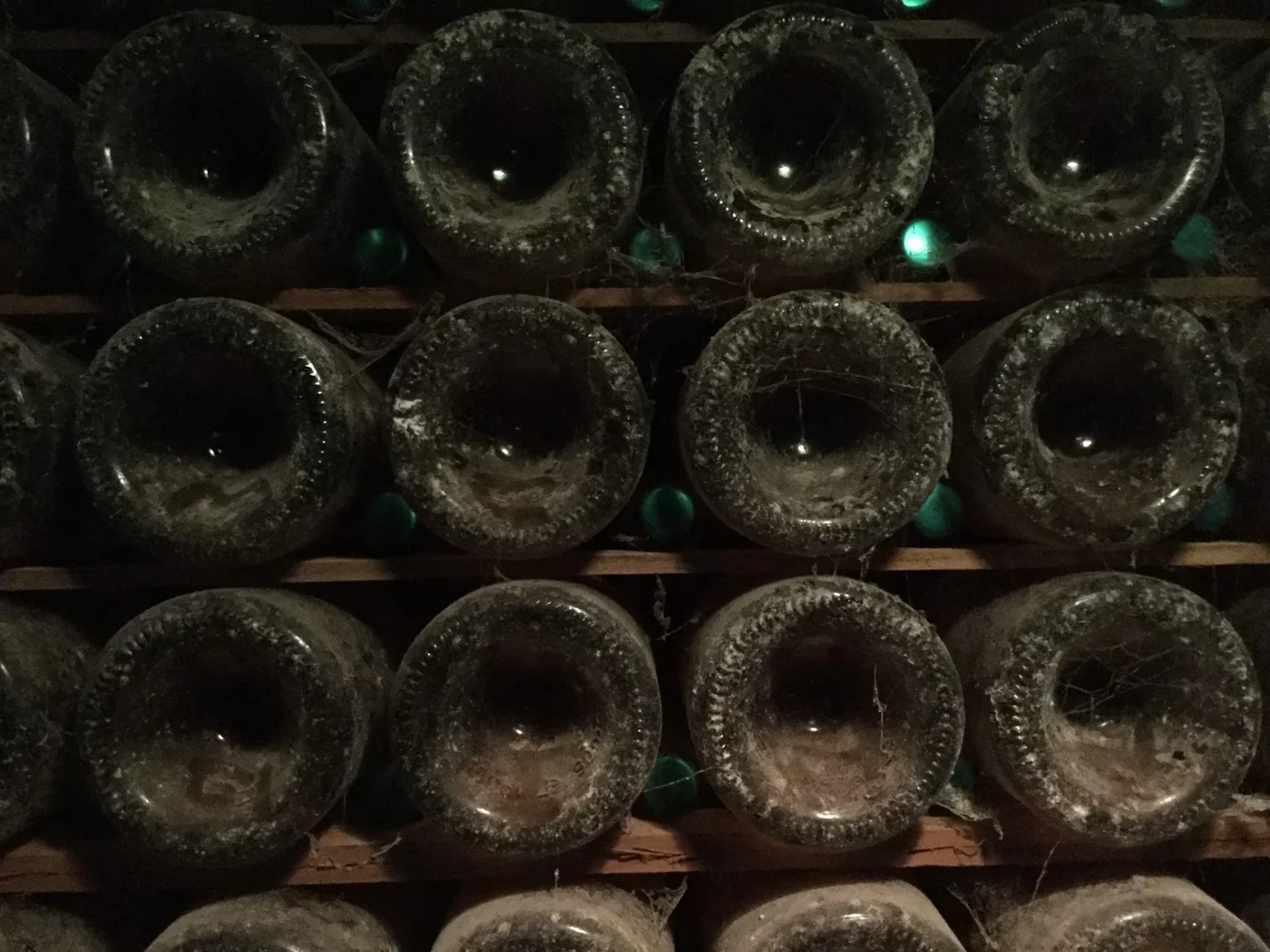
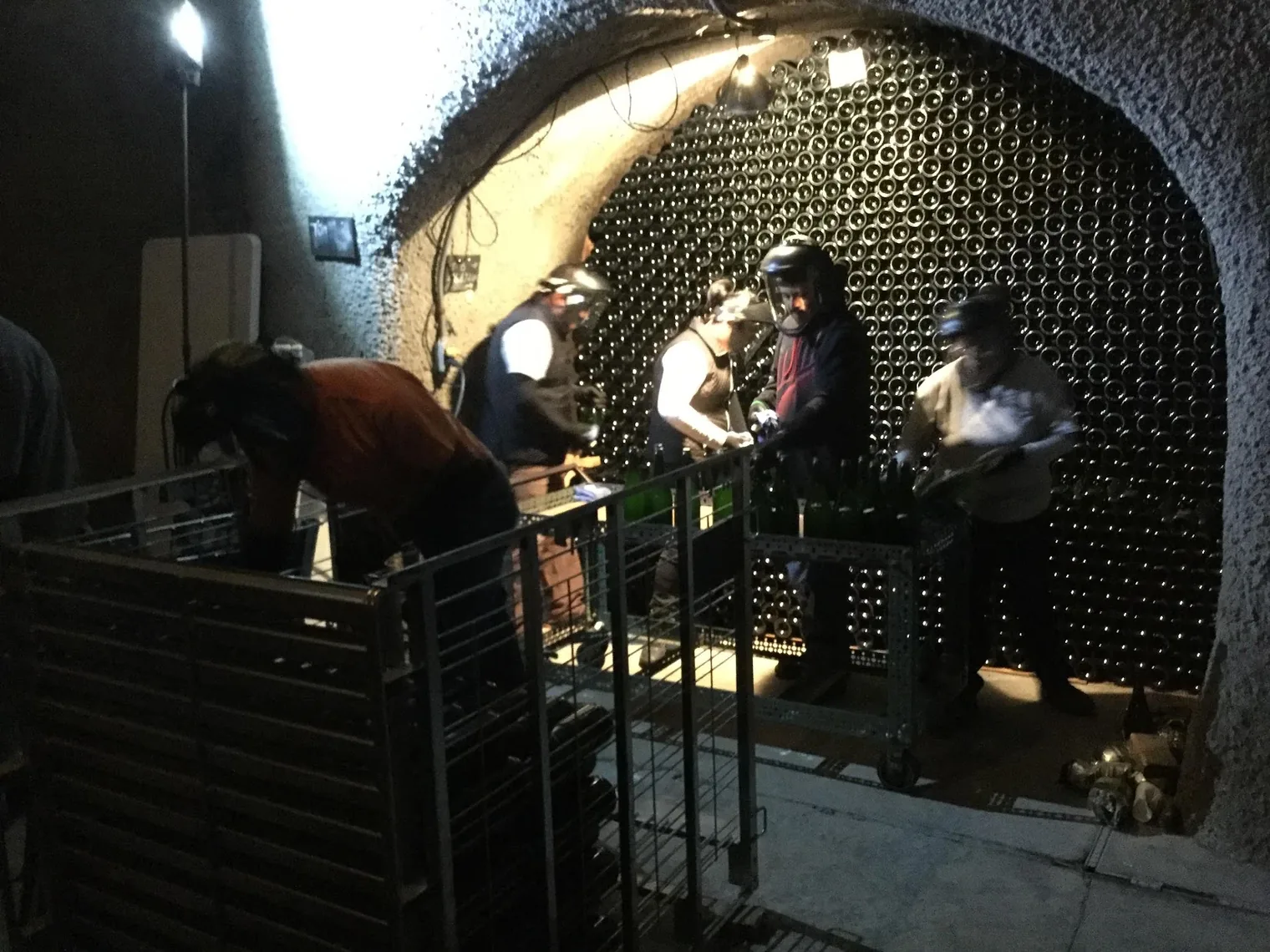
Napa Valley Trip: client and crew behind the scenes.
What the trip proved
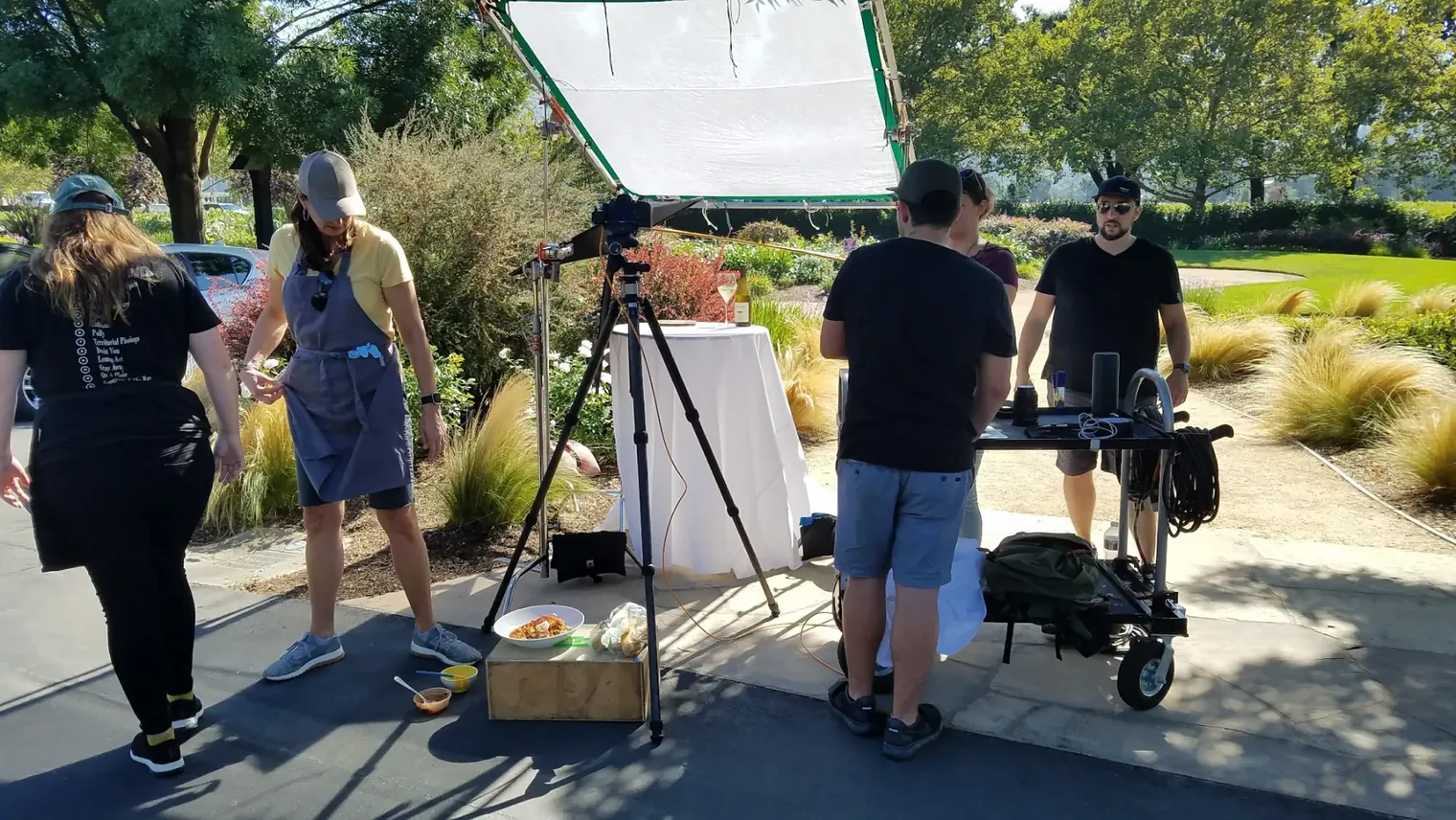
Napa made an impression on us. The vine rows, architecture, food, and late light all seemed ready for a camera. What stays with me, though, is the crew moving through it with a job to do.
A small production team does not have the luxury of narrow roles. Everyone watches the schedule. Everyone notices when a stand needs moving or a battery needs swapping. You carry your own responsibility, but you also help protect the day.
For Hit Warehouse, that meant making sure every spoken word was usable, each location had an audible texture, and every aerial served the story. It meant early calls, late backups, and steady concentration in a place that made distraction easy.
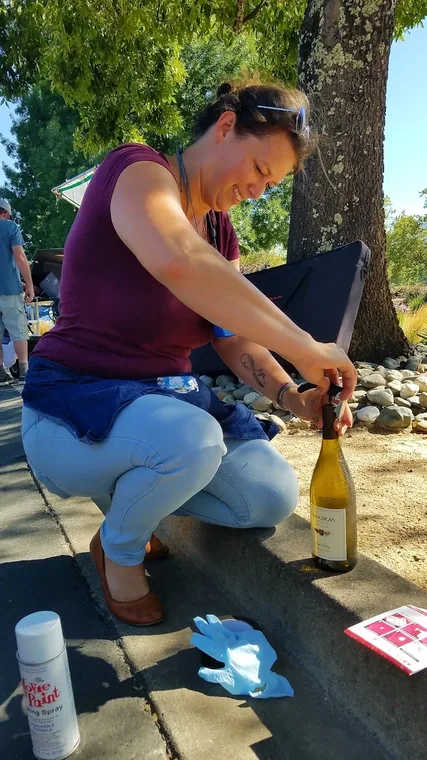
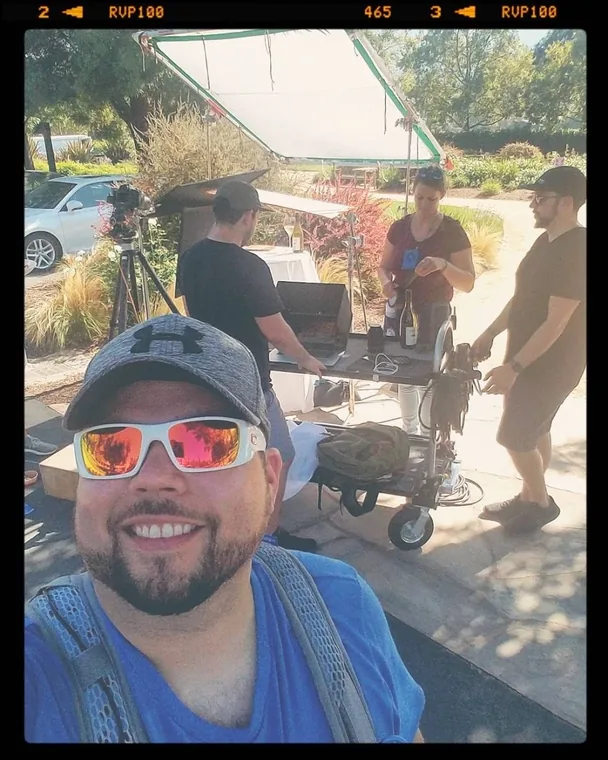
Most of the behind-the-scenes photographs on this page were taken by me. They preserve the people just outside the finished frame, building each shot together.
We are grateful to Amoroma Productions for bringing Hit Warehouse into the project, and to the video, photography, 360, food, styling, and vineyard teams who shared those long days with us. Napa gave us plenty to photograph. The crew gave us the story worth remembering.
On-location video production, answered
What is room tone, and why do you record it?
Room tone is the natural background sound of a location when no one is speaking. Editors place it beneath interview cuts so the soundtrack remains continuous. Without it, the audio can drop into an unnatural silence between phrases, making even a beautifully filmed conversation feel pieced together.
Who flies the drone on your shoots?
On this Napa Valley project, Hit Warehouse handled drone pilot duties. Drone work begins before takeoff with a visual survey, flight planning, weather awareness, and hazard checks. The purpose is not simply to fly. It is to capture aerial images safely, deliberately, and in service of the larger story.
What does a two-day, multi-location shoot involve?
It involves more than two days of filming. The crew scouts locations, reviews schedules, coordinates departments, moves equipment, records interviews and B-roll, and works around changing light. Each night, footage and audio are backed up while batteries charge, giving the next sunrise call protected media and ready equipment.
Do you travel outside Arizona for productions?
Yes. Hit Warehouse is based in Mesa, Arizona, and travels for the right production. Our location role can include interview recording, professional field audio, drone videography, and coordination with an existing crew. The exact people and equipment depend on the story, locations, schedule, and required deliverables.
What happens after the shoot wraps?
The first priority is protecting what was captured. Footage and audio are backed up, organized, and checked before cards are cleared or the crew moves on. For current projects, we can also support remote producer participation and same-day asset uploads when the schedule, connectivity, and production plan allow.
Taking the Napa habits on the road
The Napa project depended on clear responsibilities, careful listening, quick transitions, and a nightly process that protected the work. Those habits still guide our on-location productions today.
Hit Warehouse supports crews with on-location interview production, professional audio, remote producer participation, and same-day asset uploads when the project calls for them.